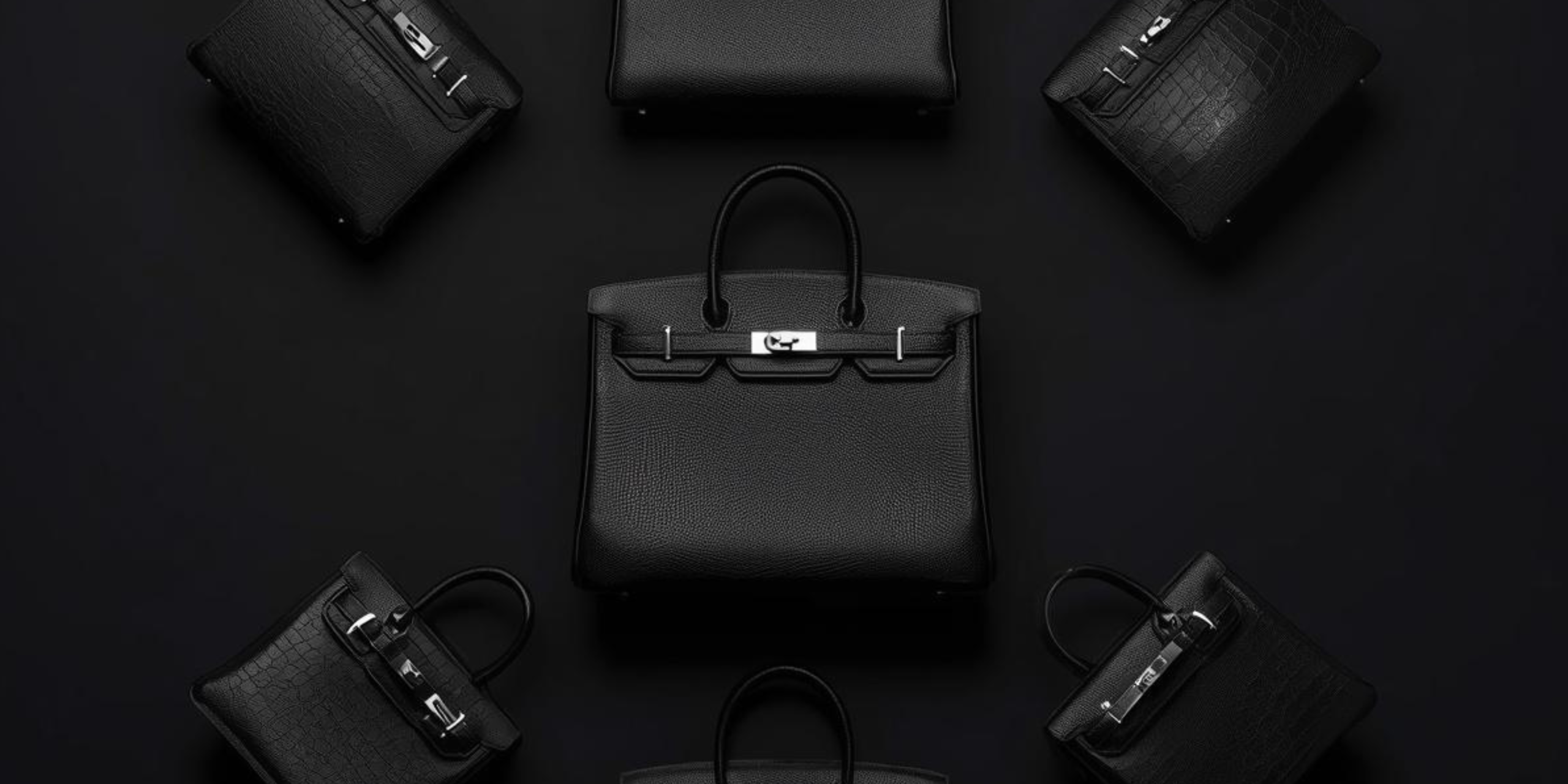
Among Hermès collectors and luxury handbag enthusiasts, Noir is one of the most iconic and timeless colors in the brand’s palette. Known simply as Hermès’ classic black, Noir appears on some of the maison’s most coveted handbags, including the Birkin, Kelly, and Constance. However, many collectors notice an interesting visual phenomenon: Hermès Noir sometimes appears slightly blue under certain lighting conditions.
For first-time buyers or new collectors, this can be surprising. After all, Noir is meant to be black—yet photographs, boutique lighting, and even natural daylight can reveal subtle cool undertones that give the leather a faint bluish appearance.
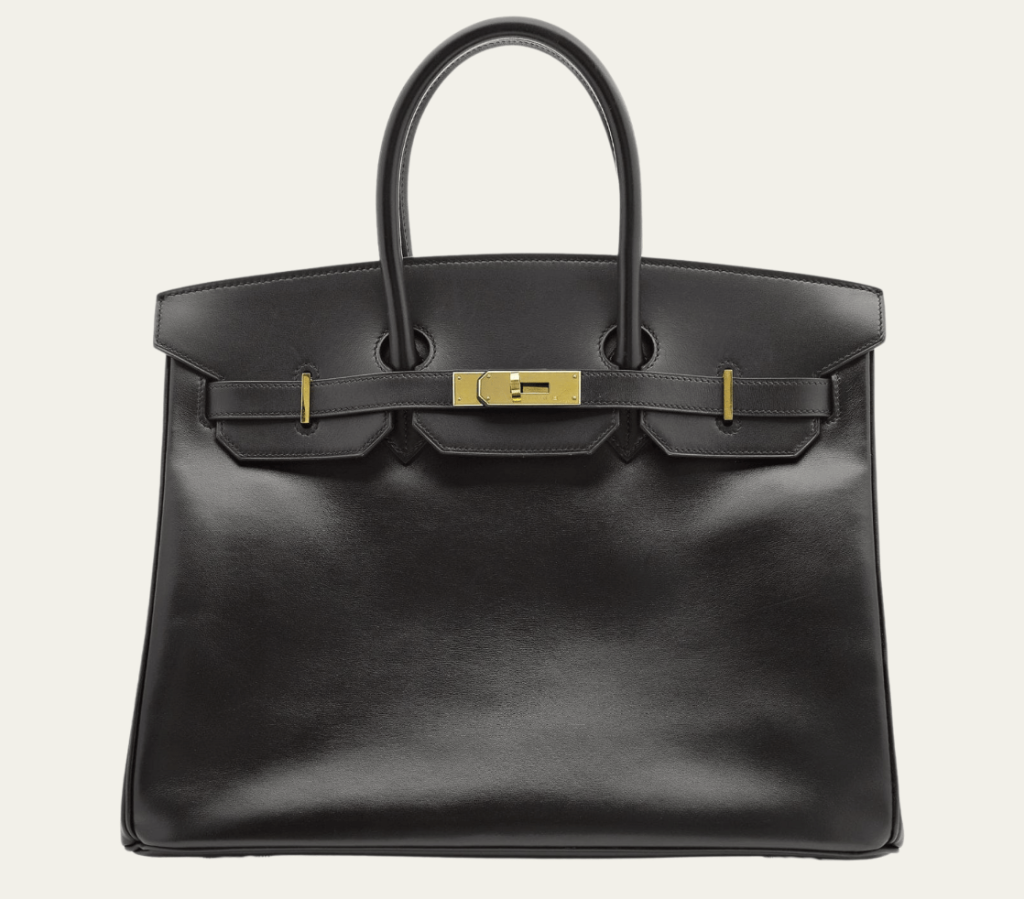
This characteristic is not a flaw. In fact, it reflects the exceptional dyeing techniques, leather finishing, and craftsmanship that Hermès is known for. Unlike flat, mass-produced black leather, Hermès Noir is designed to have depth and dimension, allowing it to interact with light in unique ways.
In this guide, we explore why Hermès Noir sometimes looks blue, the factors that influence its appearance, and why this subtle effect actually makes Noir one of the most luxurious and sophisticated black shades in the world of handbags.
The Nature of Hermès Noir: More Than Just Black
In luxury leather craftsmanship, black is rarely a single-dimensional color. High-end fashion houses, including Hermès, develop blacks that contain complex undertones, allowing the leather to appear richer and more dynamic.
Hermès Noir is not simply dyed with a flat black pigment. Instead, it often contains cool undertones that subtly reflect light, creating a layered effect that can appear slightly blue or charcoal depending on the environment.
This approach is intentional. A pure, flat black can sometimes appear dull or overly heavy on luxury leather goods. By incorporating subtle undertones, Hermès ensures that Noir remains deep, elegant, and visually complex.
For collectors, this nuance is part of what makes Noir so special—it is a black that feels alive, shifting in tone depending on the lighting and angle.
Lighting Plays a Major Role
One of the primary reasons Hermès Noir can appear blue is lighting conditions.
Different types of light influence how colors are perceived by the human eye. When Noir leather is exposed to cooler lighting—such as LED lights, fluorescent lights, or cloudy daylight—the cool undertones in the leather may become more visible.
For example:
- Natural daylight can highlight the blue undertones in Noir leather.
- Indoor boutique lighting may create reflections that give the bag a cool-toned appearance.
- Camera lenses and phone cameras often amplify these undertones, making the blue hue more noticeable in photos.
This explains why some collectors notice the blue effect more prominently in photographs or online listings. The camera sensor may capture reflections that are less obvious in person.
In reality, Noir remains a true black, but its luxury finish interacts with light in subtle ways.
Leather Type Influences the Color Appearance
Another factor affecting the appearance of Hermès Noir is the type of leather used.
Hermès offers Noir across several signature leathers, each with different textures and finishes. These materials reflect light differently, which can alter how the color appears.
Some common Hermès leathers include:
Togo Leather
Togo leather has a soft, pebbled texture that diffuses light evenly. Noir in Togo typically appears as a deep charcoal black with minimal reflection, though slight blue undertones may still appear under strong lighting.
Epsom Leather
Epsom leather has a structured, embossed texture that reflects light more sharply. Because of this, Noir Epsom bags may show cooler undertones, especially along the edges of the embossed grain.
Box Calf Leather
Box calf is a smooth, glossy leather that reflects light dramatically. Noir in box calf can sometimes appear almost navy in bright light, due to the reflective surface.
Clemence Leather
Clemence leather has a softer, matte finish, which usually keeps Noir looking rich and dark, though subtle undertones can still appear.
These differences highlight how material and craftsmanship affect color perception, even when the base dye remains the same.
The Role of Hermès Dyeing Techniques
Hermès is renowned for its meticulous leather dyeing process. Unlike mass-produced handbags, Hermès leather undergoes carefully controlled dye treatments that enhance depth and durability.
The dye penetrates deeply into the leather fibers, creating a color that is rich and layered rather than superficial.
This layered dyeing technique contributes to the slight undertones seen in Noir. When light hits the leather, it interacts with multiple pigment layers, which can produce subtle shifts in color.
Luxury leather artisans often refer to this effect as color depth, and it is considered a hallmark of high-quality craftsmanship.
In contrast, counterfeit or lower-quality black leather often appears flat, lifeless, and overly uniform.
Why Collectors Love Hermès Noir
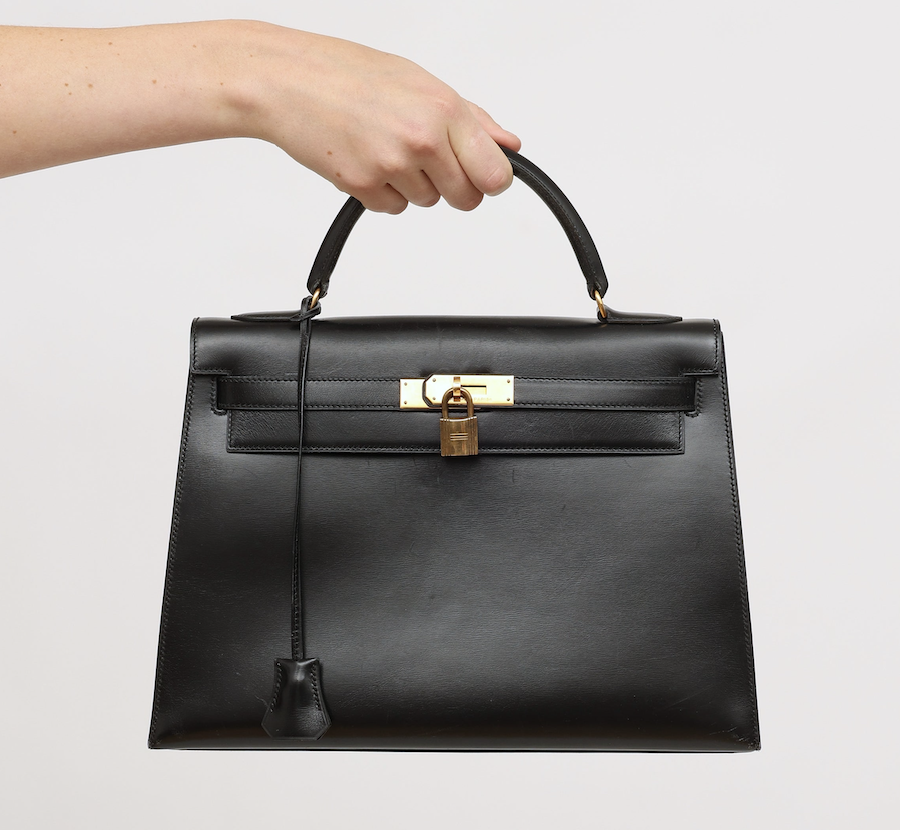
Despite—or perhaps because of—its subtle undertones, Noir remains one of the most desirable Hermès colors.
Several factors contribute to its popularity:
Timeless Elegance
Black handbags are universally elegant and versatile. Noir pairs effortlessly with both casual and formal wardrobes, making it one of the most practical choices for collectors.
Strong Resale Value
Noir is considered a classic Hermès color, meaning it consistently performs well in the resale market. Bags in Noir are highly sought after because they appeal to a wide range of buyers.
Hardware Pairings
Hermès Noir looks particularly stunning with different hardware finishes, including:
- Gold hardware (GHW) for a classic, warm contrast
- Palladium hardware (PHW) for a sleek, modern look
The cool undertones of Noir often pair beautifully with palladium hardware, further enhancing the sophisticated aesthetic.
Is the Blue Tone a Sign of Authenticity?
Interestingly, the subtle blue undertone can actually be a positive indicator of authentic Hermès leather.
While it should not be used as the sole method of authentication, genuine Hermès Noir leather often exhibits depth and dimension that counterfeit bags struggle to replicate.
Fake Hermès bags typically use lower-quality black dye that appears:
- flat
- overly matte or overly glossy
- lacking in tonal variation
Authentic Hermès leather, by contrast, tends to show natural complexity under different lighting conditions.
This nuanced color shift is a reflection of the brand’s commitment to craftsmanship.
Final Thoughts
Hermès Noir is far more than a simple black shade. Its subtle cool undertones, luxurious leather finishes, and interaction with light give it a distinctive character that sets it apart from ordinary black handbags.
The slight blue appearance that some collectors notice is not a flaw—it is actually a sign of depth, craftsmanship, and premium leather treatment. From Togo to Epsom and Box calf, each Hermès leather expresses Noir differently, creating a dynamic and sophisticated look.
For collectors and luxury enthusiasts, this complexity is part of what makes Hermès Noir so captivating. It is a black that evolves with light, revealing subtle nuances that enhance the beauty of the bag.
Whether on a Birkin, Kelly, or Constance, Hermès Noir remains one of the most timeless and coveted colors in luxury fashion, admired for its elegance, versatility, and unmistakable refinement.